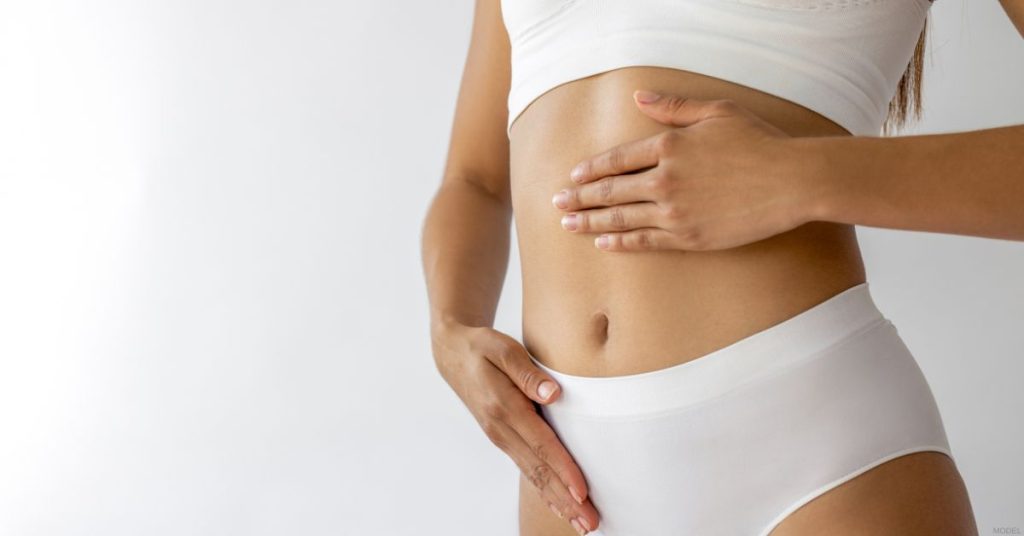
What Is Fibrosis After Liposuction?
Fibrosis after liposuction refers to the thickening and firming of tissue that can occur as the body heals. It develops when excess collagen forms beneath the skin, sometimes creating firm lumps, bands, or areas of uneven texture. Fibrosis most often appears in areas where swelling, inflammation, or more aggressive fat removal disrupted the tissue during recovery.
While fibrosis is not dangerous, it can temporarily affect the smoothness and contour of the treated area. The good news is that early intervention, such as lymphatic drainage massage, ultrasound therapy, or targeted treatments can significantly soften the tissue and improve results.
It’s also important to note that not all firmness is fibrosis. Mild swelling, tightness, and unevenness are normal during the first several weeks after liposuction. However, firmness that persists beyond the early healing phase may indicate the development of true fibrotic tissue and should be evaluated by your surgeon.
What Causes Fibrosis After Liposuction?
Fibrosis after liposuction is caused by excess collagen production during healing, usually triggered by inflammation, tissue trauma, or prolonged swelling in the treated area. While fibrosis can develop even after well-performed surgery, certain factors may increase the likelihood.
- Aggressive Suction Techniques: Overly forceful or uneven fat removal can create more internal trauma, increasing inflammation and stimulating excess collagen production during healing.
- Limited Post-Op Massage or Lymphatic Drainage: When swelling and fluid are not effectively managed, they can harden over time and form fibrotic bands or firm areas beneath the skin.
- Individual Healing Tendencies: Some patients naturally produce more collagen or heal more aggressively, which can increase the risk of developing thicker scar tissue despite proper aftercare.
- Improper or Inconsistent Compression Garment Use: Compression garments help reduce swelling, prevent fluid accumulation, and encourage smooth tissue reattachment. Poor fit or inconsistent wear may contribute to uneven healing.
- Excessive Swelling or Fluid Accumulation (Seromas): Persistent fluid buildup can prolong inflammation, increasing the likelihood of fibrosis if not addressed early.
- Early Overexertion: Excessive activity too soon after liposuction can strain healing areas and promote irregular collagen formation.
- Anatomy of the Treatment Area: Certain areas, such as the upper abdomen, flanks, or back, are more prone to postoperative firmness due to thicker tissue and natural structural density.
As the body heals, these factors can contribute to the formation of denser scar tissue that feels firm or uneven beneath the skin. While not all risk factors are preventable, carefully following your personalized postoperative plan plays a key role in minimizing fibrosis and supporting smooth, even healing.
Is Fibrosis Normal After Liposuction?
Yes, some degree of fibrosis is a normal part of the healing process after liposuction, particularly during the first few weeks following surgery. Swelling, tightness, and mild unevenness are expected as the tissues heal and adjust.
In some cases, firmness may persist longer than expected. Healing responses vary from person to person, and factors such as genetics, inflammation, activity level, and adherence to postoperative care all influence how the body recovers.
The most important takeaway is that fibrosis is usually manageable, especially when identified and treated early. With proper evaluation and targeted therapies, most patients experience gradual softening of the tissue and continued improvement in contour over time.
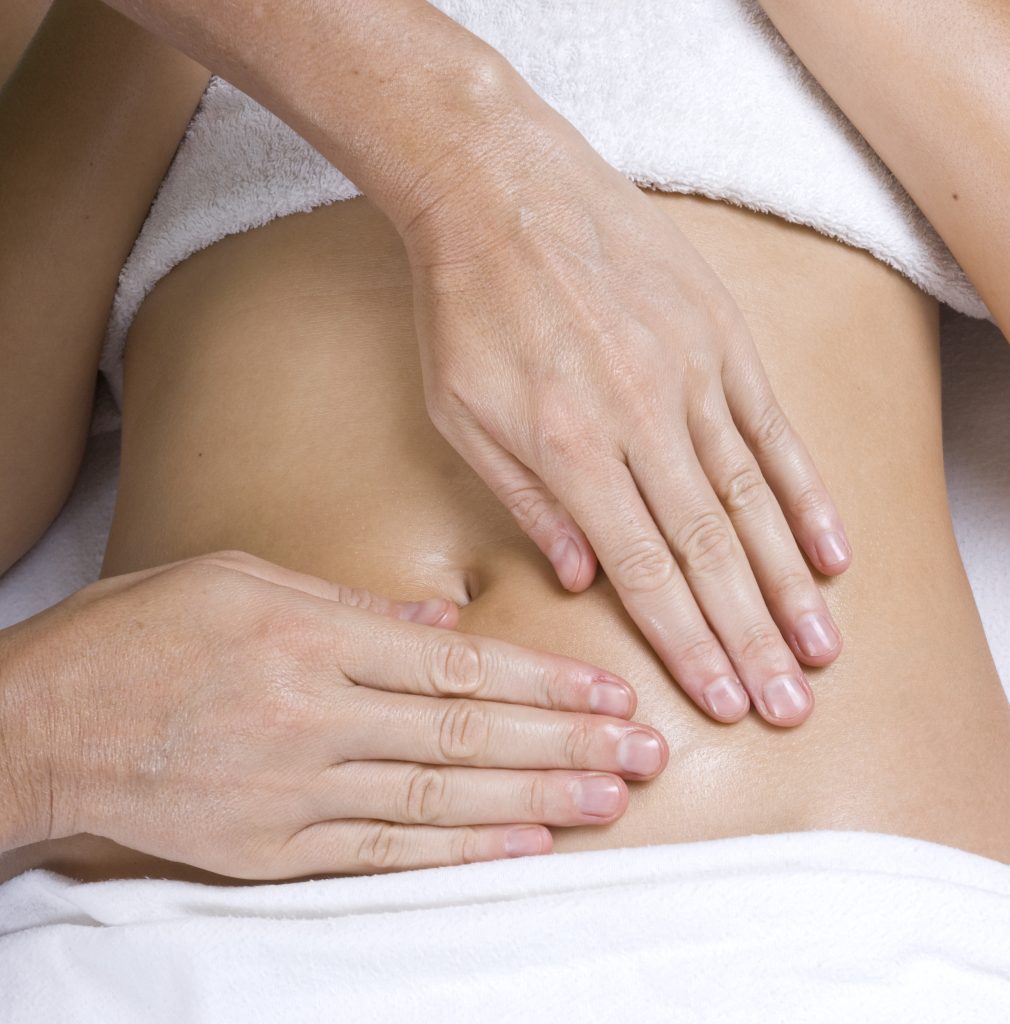
How To Get Rid of Fibrosis After Liposuction: Proven Treatment Options
If fibrosis develops, there’s reassuring news: most cases can be treated without surgery. At ACPS, we recommend a range of nonsurgical therapies designed to soften firm tissue, improve circulation, and restore smoother contours. Treatment options may include:
- Manual Lymphatic Drainage (MLD): Also known as lymphatic massage, this gentle technique helps move excess fluid, reduce inflammation, and address early fibrotic changes. A series of sessions often leads to noticeable improvment.
- Deep Tissue or Myofascial Massage: More targeted than MLD, this approach helps release dense scar tissue bands and smooth contour irregularities.
- Ultrasound or Acoustic Wave Therapy: These modalities use sound waves to loosen fibrous tissue and improve circulation to the area.
- Optimizing Compression Garments: Sometimes simply adjusting your garment—or adding foam padding or boards—dramatically improves texture and reduces firmness.
- Revision Liposuction: Reserved for select cases with dense or persistent fibrosis, revision liposuction may be considered only after nonsurgical options have been exhausted.
Whether you’re undergoing liposuction or procedures such as a tummy tuck or breast augmentation, your ACPS treatment and recovery plan is always personalized. If fibrosis occurs, our team evaluates your healing stage, symptoms, and aesthetic goals to recommend the most effective approach and support optimal, long-term results.
How To Avoid Fibrosis After Liposuction: Expert Prevention Tips
While fibrosis cannot always be completely prevented, minimizing risk begins in the operating room with gentle, tissue-respecting liposuction techniques. At ACPS, our surgeons use advanced approaches such as the tumescent technique and ultrasonic-assisted liposuction (UAL) to reduce trauma, bleeding, and inflammation. These methods support smoother fat removal and promote more even healing.
Equally important is proper postoperative care. Our surgeons and recovery specialists provide a structured aftercare plan designed to support optimal healing. Key recommendations typically include:
1. Wear Your Compression Garment as Directed
Compression helps control swelling, limit fluid buildup, and encourage uniform tissue reattachment. Garments should fit snugly without causing discomfort or restricting breathing. If fit issues arise, contact our team promptly.
2. Begin Gentle Movement Early
Light walking improves circulation and lymphatic flow, helping reduce swelling and prevent tissue stiffness that can contribute to fibrosis.
3. Avoid Strenuous Activity Until Cleared
High-impact exercise, heavy lifting, or core engagement too soon can disrupt healing tissues and increase the risk of irregular scar formation.
4. Follow All Post-Op Instructions Carefully
These guidelines—from incision care to garment timing—are curated based on your anatomy and procedural plan. Consistency is key.
5. Attend All Follow-Up Visits
Early detection is key. Follow-up visits allow your surgeon to identify and address firmness before it becomes more pronounced.
6. Consider Early Lymphatic Massage if Recommended
While not required for every patient, early lymphatic massage can significantly reduce swelling and support smoother tissue healing in certain cases.
WARNING:
This feature contains nudity. Please click OK to confirm you are at least 18 years of age and are not offended by such material.


We’re Here To Support You!
At The Aesthetic Center for Plastic Surgery, patients value not only our surgical expertise but also our comprehensive recovery support. From thorough education before surgery to attentive, hands-on aftercare, our team is dedicated to helping you heal confidently and achieve refined, long-lasting results.
If you’re experiencing firmness, uneven texture, or concerns about fibrosis after liposuction, we encourage you to reach out. You can contact us through our online form or call us at (713) 799-9999 to schedule a consultation. Our team is always happy to answer questions and guide you through the next steps in your recovery.




Leave a Reply